

If you’re between 35 and 65 and feel like your energy has quietly slipped away, you’re not imagining it. Vitality doesn’t vanish overnight. It erodes gradually through years of suboptimal habits, micronutrient gaps, and the relentless pace of modern life. Many people reach for a quick fix, a new supplement, an energy drink, or a crash diet, only to feel the same a month later. The truth is that a balanced diet and moderate physical activity form the non-negotiable foundation of lasting vitality. This guide gives you a practical, research-backed roadmap to reclaim your energy, resilience, and sense of thriving.
Table of Contents
- What influences your vitality?
- Get prepared: Your vitality essentials
- Step-by-step: How to increase vitality holistically
- Common mistakes and how to avoid them
- Measuring your progress and verifying results
- Where to find advanced support for your vitality journey
- Frequently asked questions
Key Takeaways
| Point | Details |
|---|---|
| Diet comes first | Eating more plant foods, lean protein, and whole grains is the strongest foundation for vitality. |
| Exercise is essential | Layering aerobic, strength, and mind-body fitness boosts physical function and life satisfaction. |
| Supplements fill gaps | Used wisely, vitamin D, omega-3, and other supplements address EU-specific deficiencies. |
| Personalize your approach | Testing your nutrient levels or trying simple self-checks leads to the right choices for your needs. |
| Track progress | Measuring subjective and objective changes keeps you motivated and on the right course. |
What influences your vitality?
Vitality is more than just not feeling tired. It’s the sum of your physical energy, mental sharpness, emotional resilience, and your capacity to show up fully every single day. Think of it as the fuel gauge for your entire life. When it’s full, everything feels possible. When it’s running low, even small tasks feel heavy.
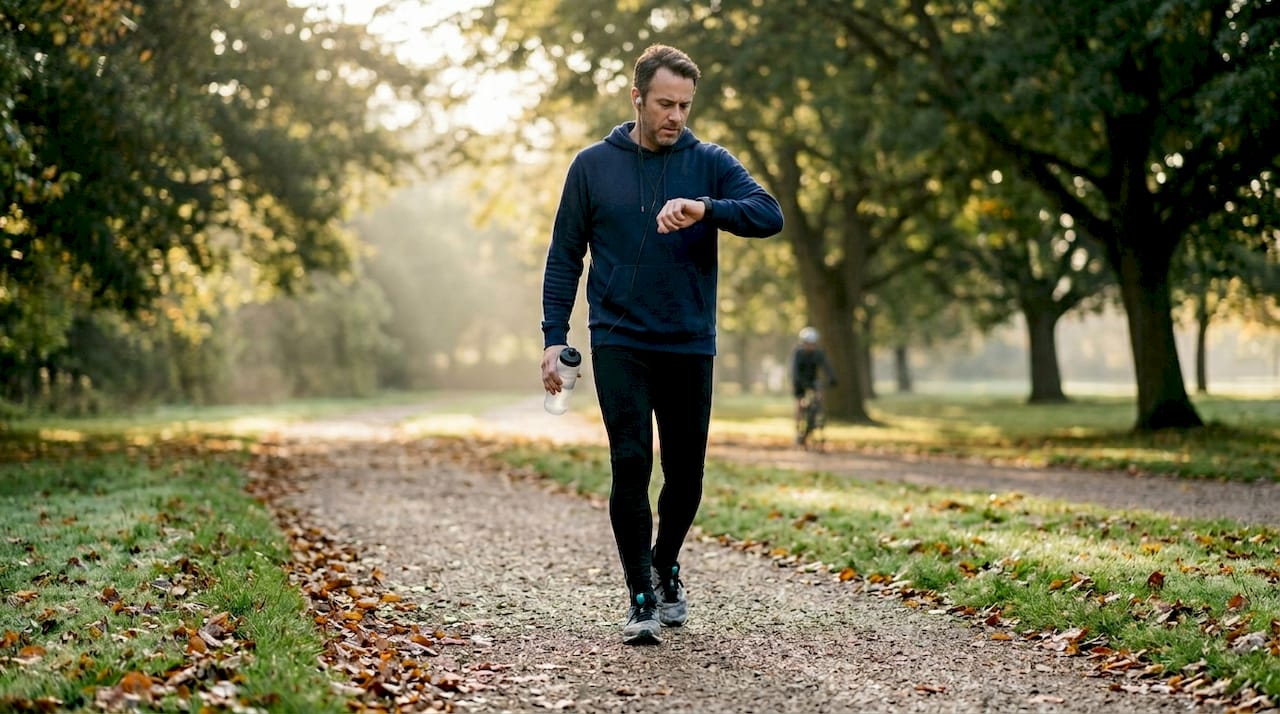
Multidimensional fitness, balanced nutrition, and targeted supplementation all contribute to this state. No single factor controls it. Instead, vitality is shaped by a web of interconnected habits and inputs. Understanding anti-aging and vitality as a system, not a checklist, is the first shift you need to make.
Here are the core forces that either build or drain your vitality:
- Diet quality: Whole foods fuel cellular energy; ultra-processed foods create inflammation and fatigue
- Physical activity: Regular movement improves mitochondrial function, the tiny engines inside your cells
- Sleep: Poor sleep disrupts hormones like cortisol and growth hormone, both critical for recovery
- Stress load: Chronic stress depletes magnesium, B vitamins, and adrenal reserves
- Micronutrient status: Deficiencies in vitamin D, B12, iron, or zinc quietly suppress energy production
- Mindset and social connection: Psychological wellbeing directly influences physical resilience
The EU nutrition guidelines reinforce that no supplement replaces the synergy of these combined factors. For deeper longevity insights, the evidence consistently points to lifestyle as the master lever.
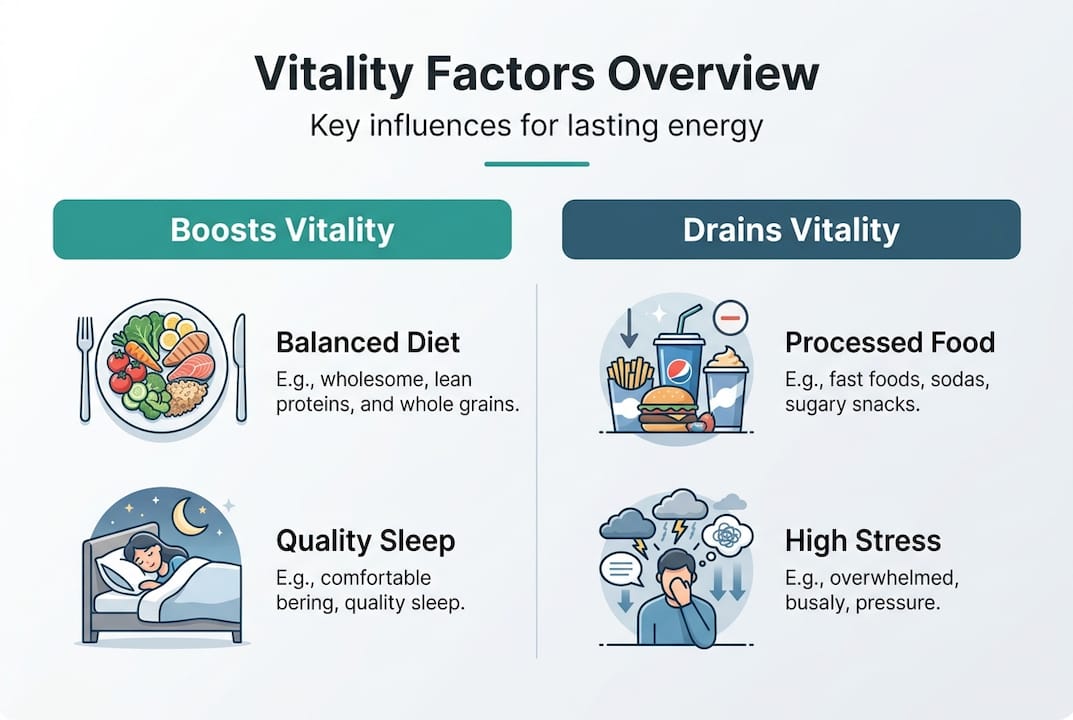
| Factor | Boosts vitality | Drains vitality |
|---|---|---|
| Diet | Whole grains, vegetables, lean protein | Ultra-processed foods, excess sugar |
| Movement | Daily aerobic and strength training | Sedentary lifestyle |
| Sleep | 7-9 hours, consistent schedule | Fragmented or short sleep |
| Stress | Mindfulness, social support | Chronic unmanaged stress |
| Micronutrients | Adequate vitamin D, B12, omega-3 | Deficiencies in key nutrients |
Get prepared: Your vitality essentials
Before you change anything, you need to know what you’re working with. Think of this phase as stocking your toolkit. The right ingredients in your kitchen, a realistic movement plan, and a clear picture of your micronutrient status will make every step that follows far more effective.
A diet rich in fruits, vegetables, whole grains, legumes, and lean proteins is the bedrock. Aim for at least 300g of vegetables and fruit daily, prioritize whole grains over refined carbohydrates, include a handful of nuts, and keep salt below 6g per day. These aren’t arbitrary numbers. They reflect decades of population research across Europe.
Supplements can fill micronutrient gaps, especially vitamin D in northern and central Europe where sun exposure is limited for much of the year. But supplements work best when they’re targeted, not scattered. The EU daily needs framework gives you a reliable reference for safe intake levels.
Your vitality essentials checklist:
- Nutrition: 300g+ vegetables and fruit, whole grains, legumes, nuts, lean protein daily
- Hydration: At least 1.5-2 liters of water per day
- Movement: Minimum 150 minutes of moderate aerobic activity per week
- Sleep hygiene: Consistent sleep and wake times, dark and cool room
- Supplement audit: Identify gaps before buying anything
| Nutrient | Best food source | When a supplement helps |
|---|---|---|
| Vitamin D | Fatty fish, egg yolks | Low sun exposure, winter months |
| B12 | Meat, dairy, eggs | Plant-based diets, adults over 50 |
| Omega-3 | Oily fish, walnuts | Low fish intake |
| Magnesium | Leafy greens, seeds | High stress, poor sleep |
| Zinc | Meat, shellfish, legumes | Restricted diets, frequent illness |
Pro Tip: Before adding any supplement to your routine, get a blood test to check your actual levels. Guessing wastes money and can create imbalances. Our aging gracefully guide walks you through what to test and why.
Step-by-step: How to increase vitality holistically
With your essentials in place, here’s your actionable framework. These steps build on each other, so work through them in order rather than jumping straight to supplements.
-
Build a balanced plate. Use the EU evidence base as your guide. Half your plate should be vegetables and fruit, a quarter whole grains, and a quarter lean protein. WHO healthy diet guidelines confirm this structure supports sustained energy and reduces chronic disease risk.
-
Move every day. Aerobic exercise, strength training, balance work, and mind-body practices like yoga or Tai Chi each contribute something unique. Multidimensional physical activity and holistic nutrition produce significant improvements in life satisfaction and physical function. You don’t need to do everything at once. Start with 30 minutes of brisk walking and build from there.
-
Target your supplement gaps. Vitamin D, B12, omega-3, and protein (aim for 1.5g per kilogram of body weight daily) are the most commonly needed in EU adults over 40. Zinc and magnesium are worth checking too. Combining exercise and targeted supplements increases functional benchmarks and energy output measurably. Our magnesium and vitamin D3 formula is designed specifically for this gap.
-
Monitor your energy. Keep a simple daily log: rate your energy, mood, and sleep quality out of 10. Use the 6-minute walk test every 8 weeks to track physical progress. These small data points reveal patterns that feelings alone can’t capture. Explore longevity routines that make tracking feel natural rather than burdensome.
“Most adults can meet their nutritional needs through food alone. Vitamin D is the notable exception in Europe, where sun exposure is insufficient for much of the year.” — WHO/EFSA
Pro Tip: Pair your protein intake with resistance training sessions. The synergy between exercise stimulus and protein availability is where the real gains in muscle, energy, and metabolic health happen.
Common mistakes and how to avoid them
Even motivated people fall into predictable traps. Knowing them in advance saves you months of frustration.
The biggest mistake is treating supplements as a shortcut. Supplements close gaps, not replace diet. No pill compensates for poor sleep, chronic stress, or a diet built on processed food. The second mistake is chasing megadoses. More is rarely better, and in some cases it’s actively harmful.
Here are the most common pitfalls:
- Ignoring sleep and stress while optimizing nutrition and supplements
- Taking supplements without testing actual blood levels first
- Eating the same foods repeatedly instead of rotating for dietary diversity
- Expecting fast results and quitting before the 8-week mark when real changes begin
- Following trends instead of personalizing based on your own data
Greater benefits are seen in women aged 65-69 and in those with confirmed deficiencies, which reinforces why personalization matters more than generic protocols. Building the right mindset for longevity is just as important as the physical steps.
Pro Tip: Review your regimen every 8 to 12 weeks. What worked in winter may not be what you need in summer. Adjust based on real feedback from your body and your logs, not the latest wellness trend.
Measuring your progress and verifying results
You can’t manage what you don’t measure. Tracking your vitality doesn’t require expensive equipment. It requires consistency and honesty.
Subjective trackers give you the first layer of data. Rate your daily energy, sleep quality, and mood each morning. Look for trends over weeks, not days. A single bad night tells you nothing. A pattern of poor sleep for three weeks tells you everything.
Objective trackers add precision. The 6-minute walk test (6MWT) is a simple benchmark: walk as far as you can in 6 minutes and record the distance. Empirical benchmarks like the 6MWT and vitality logs can reliably track improvement over time. Repeat it every 8 weeks. Also track your step count, sit-to-stand repetitions in 30 seconds, and grip strength if possible.
| Tracker | Starting point | Sign of improvement |
|---|---|---|
| Daily energy (1-10) | Baseline average | Consistent rise of 1-2 points |
| 6-minute walk test | Record distance | 10-15% increase over 8 weeks |
| Sit-to-stand (30 sec) | Count repetitions | More reps with less effort |
| Sleep quality (1-10) | Baseline average | Fewer disruptions, higher score |
| Mood (1-10) | Baseline average | Steadier, more positive trend |
For a more structured approach, explore self-testing for progress with home DNA test kits that give you real biomarker data. Adjust your approach every 12-18 months based on what the numbers and your body are telling you. Also check research on tracking outcomes for evidence-based benchmarks used in clinical settings.
Where to find advanced support for your vitality journey
You now have the framework. The next step is putting the right tools in your hands. At LifeUnlocked, we’ve built our entire product range around the same evidence-based principles this guide covers.

Our BOOST supplement combines creatine, taurine, lysine, and collagen to support energy, muscle function, and recovery. Our curated longevity kits bundle supplements, home blood test kits, and nutrition guidance into one cohesive system. And if you want to explore the full range, browse all LifeUnlocked supplements designed specifically for adults who take their longevity seriously. Pair any product with the KLU app, your personal longevity and health companion, to track progress and get personalized recommendations.
Frequently asked questions
What is the most effective first step to increase vitality?
Start by improving your diet with more fruits, vegetables, and whole grains, combined with daily physical activity. These two changes create the strongest foundation for everything else.
Which supplements are most helpful for energy in EU adults?
Vitamin D, omega-3, B12, and adequate protein are the most impactful, especially when micronutrient gaps from limited sun or dietary restrictions are present.
How quickly will I feel more vital after changing my habits?
Most people notice better energy and mood within 4 to 8 weeks. Physical activity and nutrition together produce measurable improvements in life satisfaction and function within that window.
Is it safe to take multiple supplements together?
Yes, provided you stay within EU safe upper limits and have tested for actual deficiencies first. Stacking supplements without data is where problems arise.
Recommended
- The Pursuit of Longevity: A review of the Anti-Aging Obsession – LifeUnlocked
- Unlocking Longevity 2024: Practical Tips and Routines for a Longer, He – LifeUnlocked
- Aging Gracefully: A Comprehensive Guide to Optimal Healthspan – LifeUnlocked
- Healthy Living Hacks for Urban Professionals: Simple Changes for Big R – LifeUnlocked
Share:
Why tracking vitamin levels unlocks better health: 2026 guide